IDUL ADHA SPECIAL PRICE!!!

Indonesia’s Seafood Economy Was Built by Geography, Then Scaled by Trade
Daniel Karm
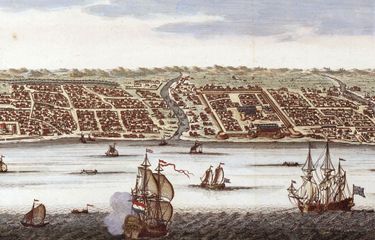
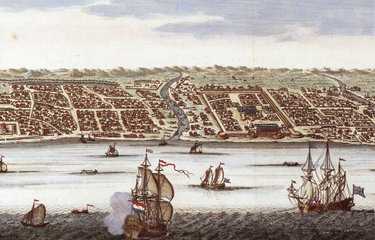
Long before modern export strategies existed, Indonesia’s seafood economy was already structured by geography. The country sits at the meeting point of the Pacific and Indian Oceans, giving it one of the longest coastlines in the world and access to diverse marine ecosystems. Academic fisheries research has long shown that tropical multi-species fisheries tend to support more stable year-round harvest cycles than temperate seasonal fisheries. That stability later became a trade advantage.
Data from the FAO consistently places Indonesia among the world’s largest fish producers, not simply due to industrial fleets but because of widespread small-scale coastal fishing integrated into local economies. Studies in marine resource management literature often emphasize that Indonesia’s fisheries structure combines artisanal and commercial sectors, creating both supply depth and flexibility.
For exporters, this combination matters. Industrial fleets create scale, but small fisheries create resilience. When one region experiences decline, another often compensates. This geographic redundancy reduces supply volatility, a factor frequently cited in international seafood procurement research as a key determinant of long-term supplier preference.
Indonesia’s seafood potential therefore does not rest solely on output volume. It rests on the structural resilience of its ecosystem-based production system.